
Starting an eCommerce business is an exciting experience, but growing it requires careful planning and execution.
A scalable business can sustain growth without sacrificing quality, performance, or customer satisfaction. Here are the do’s to create a stable and scalable eCommerce brand for long-term success.
The Concept of a Scalable eCommerce Brand.
Scalable eCommerce brands are businesses that support consistent growth and expansion without compromising efficiency, customer experience, or profitability.
This means that when there is growth, such as an increase in customers, orders, or revenue, the operations, technologies, and resources should grow seamlessly.
Why does scalability matter to eCommerce?
Scalability matters to eCommerce because it allows businesses to grow reliably and easily without sacrificing efficiency, customer experience, or ever-profitability.
Scalability ensures that there is smooth handling of order influx and market expansion. The greatest speed rises when a brand is capable, automatic, has optimized operations, and has multiple sales channels, which results in a drastic increase in efficiency, thus saving costs.
User satisfaction is improved, thanks to a swift delivery experience, fast website navigation, and reliable support.
Moreover, eCommerce scalability helps adapt to market trends, attract potential investors, and remain competitive.
Focusing on long-term growth strategies allows an eCommerce brand to keep its profitability while extending effortlessly.
Tips to Build a Scalable eCommerce Brand
1. Choose the Right eCommerce Platform
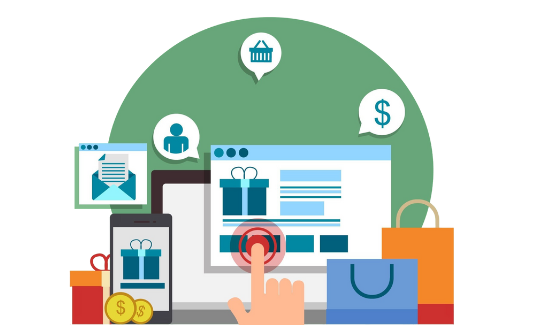
The success of your online business hinges on selecting the right eCommerce platform. Solutions like WooCommerce, Shopify, Magento, and BigCommerce provide powerful features to support business growth.
Additionally, ThemeHunk offers eCommerce themes like ShopMania, OpenShop, BigStore, and many more.
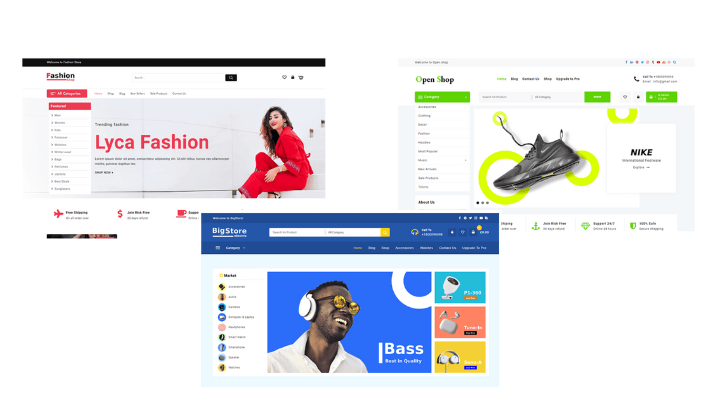
It offers advanced customization, scalability, and performance optimization for WooCommerce-based stores.
By leveraging the right platform and tools, you can build a secure, high-performing, and scalable eCommerce brand that adapts to evolving market demands.
2. Invest in a High-Performance Website
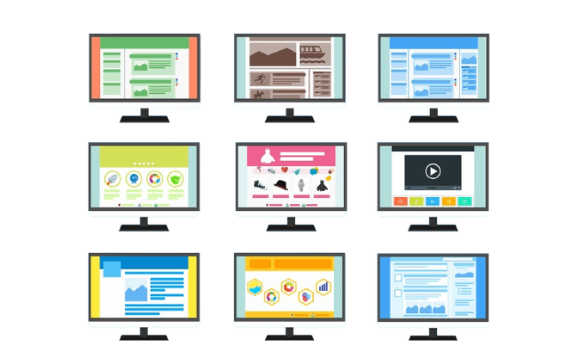
Your website represents your brand, and its performance has a direct effect on user experience and sales. A well-crafted website should be:
Fast-loading: Websites that load slowly can result in high bounce rates and lost sales. Optimize images, utilize a content delivery network (CDN), and select a dependable hosting provider.
Mobile-friendly: Many online shoppers use mobile devices. Ensure your website is fully responsive and offers smooth navigation across all screen sizes.
User-friendly: Clear navigation, an intuitive design, and high-quality images enhance the customer experience, leading to increased conversions and retention rates.
3. Leverage Automation for Efficiency

Automation is essential for creating a scalable eCommerce brand, as it simplifies operations and minimizes manual tasks.
Utilizing tools like automated inventory management, chatbots for customer support, email marketing automation, and order processing systems can significantly boost efficiency.
By incorporating ThemeHunk eCommerce plugins like Advanced Product Search, Th All in One Woo Cart, TH Variation Swatches, and many more.
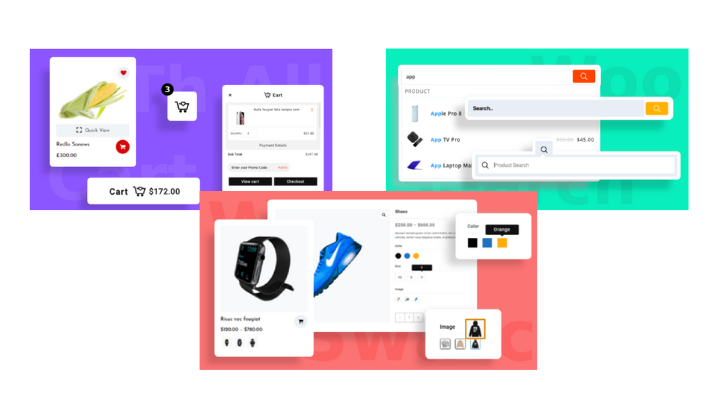
You can automate different functions of your WooCommerce store, including product management, customer interactions, and sales tracking.
Embracing automation not only increases productivity but also provides a smooth shopping experience, enabling your business to expand without facing operational hurdles.
4. Optimize for SEO to Drive Organic Traffic

Enhance visibility by using SEO-friendly themes and plugins for WooCommerce. Optimize site speed, mobile responsiveness, keywords, and metadata.
Create high-quality content and build backlinks to improve rankings. Strong SEO attracts organic traffic, boosting sales and brand growth.
5. Develop a Strong and Memorable Brand Identity
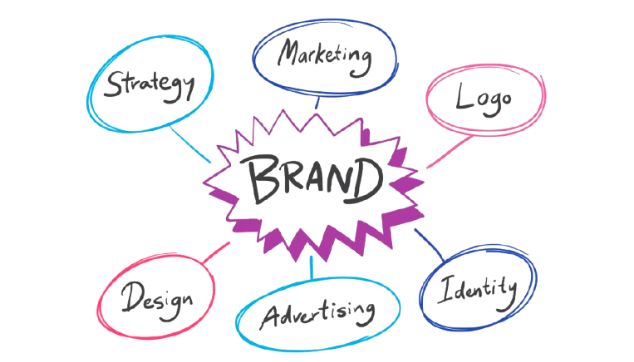
Create a unique brand with a clear logo, color scheme, and consistent messaging. Maintain a uniform tone across your website, social media, and marketing materials.
Focus on delivering a great customer experience to build trust and loyalty. A strong brand identity makes your business recognizable, attracts customers, and supports long-term growth.
6. Leverage Social Media for Marketing and Growth

Promote your brand on Facebook, Instagram, X (Twitter), and Pinterest to reach more customers. Share engaging posts, run ads, and interact with your audience.
Work with influencers and encourage customers to share their experiences. A strong social media presence helps attract more visitors, build trust, and grow your business.
7. Offer Outstanding Customer Support

Assist customers promptly via live chat, email, or phone. Address inquiries, resolve issues, and maintain a friendly demeanor. Utilize FAQs and chatbots for immediate assistance.
Quality support enhances customer satisfaction and encourages repeat business.
8. Diversify Sales Channels to Maximize Reach

Market your products on different platforms, such as your website, online marketplaces (like Amazon and eBay), and social media shops.
This strategy allows you to connect with a broader audience and boost sales. Providing diverse shopping options simplifies the purchasing process for customers, contributing to quicker business growth.
9. Enhance Logistics and Fulfillment Strategies

Ensure that orders are packed, shipped, and delivered promptly. Collaborate with reliable delivery partners and utilize order tracking to keep customers informed.
Provide various shipping options for quicker service. A seamless delivery experience enhances customer satisfaction and promotes repeat purchases.
10. Analyze Data and Adapt to Market Trends
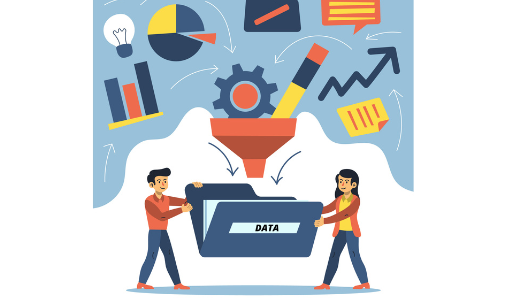
Track sales, customer behavior, and market trends to determine the best strategies. Use tools like Google Analytics to guide your choices.
Stay updated on industry changes and adjust your strategies to keep a competitive advantage. Awareness of trends is crucial for your business’s growth and meeting customer needs.
FAQ
Q: What role does automation play in scaling an eCommerce business?
Ans: Automation reduces manual work, improves efficiency, and helps manage orders, inventory, and customer interactions, making growth smoother and more manageable.
Q: How can SEO help scale my eCommerce brand?
Ans: SEO boosts organic traffic, increasing visibility on search engines. Optimizing content, site speed, and mobile experience helps attract more customers without relying solely on ads.
Q: How does data analysis help in eCommerce scalability?
Ans: Tracking customer behavior, sales trends, and market changes helps make informed decisions, optimize marketing strategies, and stay ahead of competitors.
Q: Why is scalability important for an eCommerce business?
Ans: Scalability ensures your business can handle increased demand, expand smoothly, and stay competitive in a growing market without performance issues or high costs.
Final Thoughts
Creating a scalable eCommerce brand involves careful planning, robust security measures, and a versatile infrastructure.
Focusing on security and enhancing performance guarantees a smooth customer experience while facilitating growth. Keeping abreast of industry trends allows for quick adaptation to market shifts and technological innovations.
Regular monitoring and updates are crucial for mitigating risks and improving efficiency. A well-organized platform protects customer data and fosters trust.
Utilizing automation and multi-channel strategies can significantly enhance scalability. Ongoing improvement and flexibility are essential for success in the ever-changing eCommerce environment.
Discover more articles: