

Are you planning to start an eCommerce store or upgrade your existing one?
With so many platforms available, it can be challenging to decide which one is best for your business. WooCommerce and Shopify are two of the most popular options, but choosing between them isn’t always straightforward.
We’re here to help! As a business owner, you want a platform that’s flexible, affordable, and loaded with features. However, both WooCommerce and Shopify come with their strengths and challenges that you need to consider.
WooCommerce vs Shopify

WooCommerce is an open-source WordPress plugin offering extensive customization and control, ideal for users familiar with WordPress.
It requires separate hosting and management. Shopify, on the other hand, is a hosted e-commerce platform known for its user-friendly interface and ease of use, making it suitable for beginners but with limited customization.
The choice depends on your technical expertise and specific e-commerce needs.
What is WooCommerce?
WooCommerce is a powerful, open-source e-commerce plugin designed for WordPress. It enables users to create and manage online stores with ease, offering features such as product listings, shopping carts, payment processing, and inventory management.
WooCommerce is highly customizable, allowing users to enhance their stores with various themes and plugins, making it suitable for businesses of all sizes.
Its integration with WordPress also provides strong SEO capabilities, helping store owners attract more customers.
What is Shopify?
Shopify is a hosted e-commerce platform that allows individuals and businesses to create and manage their online stores easily. It provides a user-friendly interface with built-in tools for product management, payment processing, and order fulfillment.
Shopify offers a variety of customizable themes and apps to enhance store functionality, making it suitable for users with varying technical skills.
With its subscription-based model, Shopify handles hosting and security, allowing users to focus on growing their business without worrying about technical maintenance.
WooCommerce vs Shopify: Quick Comparison
A quick comparison between WooCommerce and Shopify:
| Feature | Shopify | WooCommerce |
|---|---|---|
| Type | WordPress plugin for eCommerce | Hosted eCommerce platform |
| Ease of Use | Requires WordPress knowledge, more complex | User-friendly, no coding required |
| Customization | Highly customizable with themes and plugins | Limited customization options |
| Cost | It is a free plugin, but hosting and extensions cost | Monthly subscription + transaction fees |
| Payment Options | Supports various payment gateways via plugins | Built-in payment gateways |
| Support | Community support, paid support available | customer support |
| SEO Features | Excellent SEO capabilities with plugins | Good SEO features built-in |
| Scalability | It can be scaled but may require more resources | Scales easily with business growth |
| Themes & Templates | Decent range of built-in themes, easy to customize | Wide variety of plugins and themes (may incur additional costs) |
| Best For | Businesses looking for flexibility and control | Small to medium businesses, quick setup |
This comparison highlights the key differences and can help you decide which platform suits your needs better.
WooCommerce vs Shopify: Which One is the Better?
When comparing Shopify and WooCommerce, both platforms have their strengths and weaknesses, making them popular choices for e-commerce. This is a breakdown of their key differences and market positions:
Shopify:
- Type: Hosted e-commerce platform.
- Ease of Use: Very user-friendly with a straightforward setup process.
- Features: Offers a wide range of built-in features, including payment processing, inventory management, and marketing tools.
- Scalability: Highly scalable, suitable for businesses of all sizes.
- Support: Customer support is available.
- Cost: Monthly subscription fees, which can increase with additional features and apps.
WooCommerce:
- Type: Open-source WordPress plugin.
- Ease of Use: requires more technical knowledge to set up and manage.
- Features: Highly customizable with thousands of plugins and themes available.
- Scalability: Can handle large stores but may require more management and optimization.
- Support: Community support and documentation, but official support may require additional costs.
- Cost: Free to use, but costs can accumulate with hosting, themes, and plugins.
Market Position:
- Shopify: As of present, Shopify has over 4 million active stores and is known for its ease of use and robust features, making it a preferred choice for many small to medium-sized businesses.
- WooCommerce powers over 30% of all online stores, largely due to its integration with WordPress, which is the most popular content management system.
Winner-WooCommerce
Who Offers Better Value for Money?
WooCommerce is free, while Shopify operates on a tiered pricing model. However, the actual expenses associated with both platforms involve several additional factors.
Below is a detailed comparison of their pricing structures and potential hidden costs to assist you in determining which platform offers better value for your investment:
WooCommerce pricing:
- WooCommerce Plugin: Free to install and use, with basic functionality to create an online store.
- Domain Name: Costs typically range from $10 to $20 per year, depending on the registrar.
- Web Hosting: Prices vary based on the hosting provider and plan, generally starting at around $5 to $30 per month for shared hosting, with higher costs for VPS, dedicated, or managed WordPress hosting.
- SSL Certificate: Often included in hosting plans, but standalone certificates cost about $10 to $100 annually for added security.
- Themes: Free themes are available, but premium themes can cost between $30 and $100 for more advanced design and functionality.
- Extensions and Plugins: WooCommerce requires additional plugins for features like payment gateways, SEO, and enhanced functionality. Prices vary widely, typically from $30 to $300 per year per plugin, depending on the feature.
- Transaction Fees: WooCommerce itself doesn’t charge transaction fees, but payment gateways like PayPal or Stripe may charge around 2.9% + $0.30 per transaction.
- Developer Costs: Optional, but if customization or technical support is needed, developer fees can range from $20 to $150+ per hour.
shopify pricing:
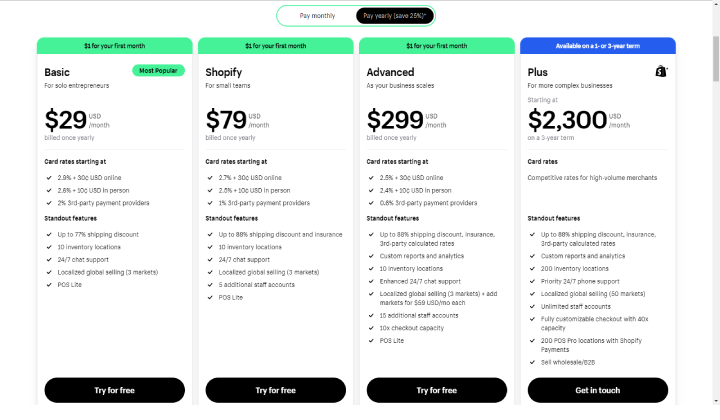
- Basic Shopify ($39/month): Ideal for new businesses, it includes 2 staff accounts, basic reports, an online store, unlimited products, discount codes, and abandoned cart recovery.
- Shopify (Standard Plan) ($105/month): Suitable for growing businesses, offering 5 staff accounts, professional reports, all basic features, international domains and pricing, and better shipping discounts.
- Advanced Shopify ($399/month): Best for scaling businesses, it provides 15 staff accounts, an advanced report builder, third-party calculated shipping rates, and advanced international pricing.
- Shopify Plus (starting at $2,000/month): A customizable enterprise-level solution with exclusive features, advanced API access, and dedicated support for large businesses.
Total Cost of Ownership
Shopify offers a predictable pricing model with built-in features and lower initial setup costs, making it ideal for those seeking a straightforward, all-in-one solution. In contrast, WooCommerce offers more flexibility and the potential for lower transaction fees, but total costs can vary and often be higher due to the need for additional services and customizations.
- Shopify’s platform costs are 23% lower than those of its competitors, while WooCommerce are 32% higher.
- Operating costs on Shopify are 19% lower on average, whereas WooCommerce can be up to 41% higher.
- Implementation and setup costs for Shopify are 33% better than the industry average, while WooCommerce setup costs can be up to 49% higher.
Winner-Shopify
Which Platform Offers Better Designs?
The design of your online store plays a vital role in shaping the customer experience and influencing brand perception.
When choosing between Shopify and WooCommerce, design capabilities are a key factor to consider. Here’s a closer look at what each platform offers:
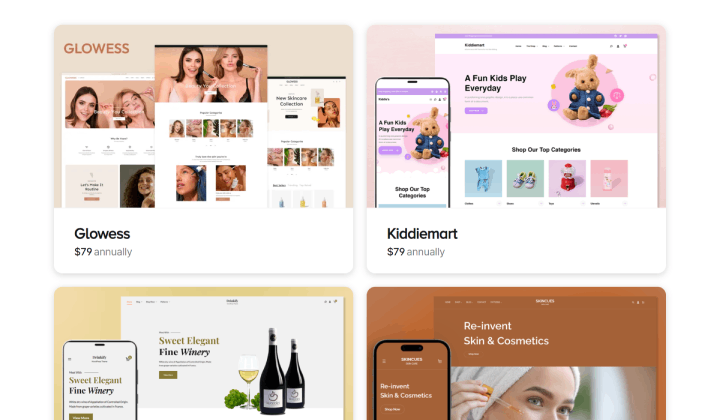
WooCommerce offers a vast array of design options through WordPress, providing unmatched flexibility. The WooCommerce marketplace features over 88 themes tailored to various industries.
Beyond that, users can access thousands of free themes from the WordPress theme repository and premium themes from third-party sources like ThemeForest, which offers over 1,500 WooCommerce-specific themes.
WooCommerce themes are highly customizable, allowing users to make extensive modifications through the WordPress Customizer and additional plugins. For those with coding skills, WooCommerce offers even more control over design with custom HTML, CSS, and PHP, making it a highly versatile platform.

Shopify is renowned for its sleek, modern, and user-friendly designs. Its official theme store includes 13 free and 182 paid themes, catering to various industries such as fashion, apparel (e.g., Mojave, Retina), electronics, and furniture (e.g., Flow, Paper).
Each theme is crafted with a trendy aesthetic, fully optimized for mobile devices to ensure a seamless experience across all screens.
Premium themes range from $100 to $400, offering enhanced features and greater customization options to help tailor your store’s look.
Winner-WooCommerce
WooCommerce vs. Shopify: What Support Options Are Available?
WooCommerce’s Support Options:
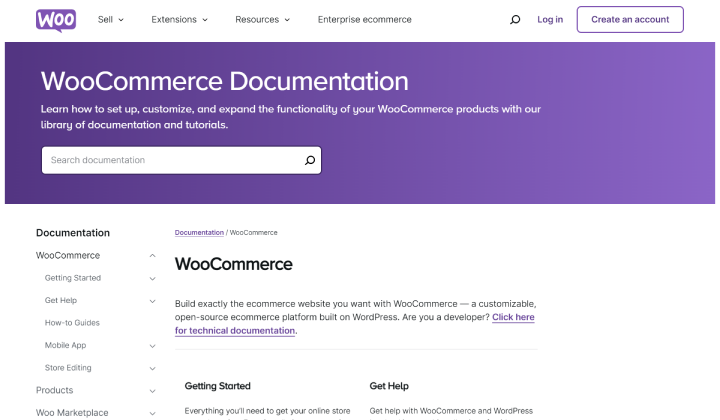
WooCommerce provides several support options to assist users with their online stores. These include a detailed documentation section with guides and FAQs, a community forum for user discussions and troubleshooting, email support for inquiries, and a dedicated support team for premium users.
Additionally, users can access various tutorials and resources through the WooCommerce blog and social media channels, ensuring comprehensive assistance for both beginners and experienced users.
Shopify Support options:

Shopify offers a variety of support options, including a comprehensive Help Center with articles and FAQs, support through live chat, email, and phone, community forums for user interaction, Shopify Academy for free courses and tutorials, active social media support, and dedicated account management for Shopify Plus users.
These resources ensure users can find assistance tailored to their needs.
WooCommerce vs. Shopify: Which is the Best eCommerce Platform?
WooCommerce and Shopify are two popular eCommerce platforms, each with its strengths.
WooCommerce:
WooCommerce is a WordPress plugin that offers flexibility and customization, making it ideal for users who want complete control over their online store.
It’s open-source, allowing for extensive modifications, but requires more technical knowledge to set up and manage.
Shopify:
Shopify, on the other hand, is a fully hosted solution that is user-friendly and quick to set up. It provides a range of built-in features and themes, making it suitable for those who prefer a straightforward, hassle-free experience. However, it may have limitations in customization compared to WooCommerce.
Ultimately, the best platform depends on your specific needs: WooCommerce for flexibility and control, and Shopify for ease of use and speed.
WooCommerce vs Shopify: Pros and Cons
WooCommerce:
Pros:
- Flexibility and Customization: Being a WordPress plugin, WooCommerce offers extensive customization options through themes and plugins.
- Cost-effective: The core plugin is free, and you only pay for hosting, themes, and additional plugins.
- SEO Friendly: WordPress is known for its SEO capabilities, which can help improve your store’s visibility.
- Ownership: You have full control over your website and data since it’s self-hosted.
- Large Community: A vast community of developers and users provides support and resources.
Cons:
- Technical Knowledge Required: Setting up and managing a WooCommerce store may require more technical skills compared to Shopify.
- Maintenance: You are responsible for updates, backups, and security, which can be time-consuming.
- Hosting Costs: You need to pay for hosting, which can vary in price and quality.
- Performance: If not optimized, WooCommerce sites can become slow, especially with many plugins.
Shopify:
Pros:
- Ease of Use: Shopify is user-friendly, making it easy for beginners to set up and manage their stores.
- Comprehensive Solution: Shopify manages hosting, security, and updates, easing the technical burden on users.
- Support: Shopify offers round-the-clock customer support to assist with any issues.
- Built-in Features: Comes with many built-in features like payment processing, inventory management, and analytics.
- Scalability: Easily scalable as your business grows, with plans that cater to different business sizes.
Cons:
- Monthly Fees: Shopify has a subscription fee, which can add up, especially with additional apps and features.
- Limited Customization: While customizable, it’s not as flexible as WooCommerce in terms of design and functionality.
- Transaction Fees: If you don’t use Shopify Payments, you may incur additional transaction fees.
- Less Control: You don’t have full control over your store and data since it’s hosted on Shopify’s platform.
Final: Which Platform is Right for You?
After comparing Shopify and WooCommerce, it’s evident that both platforms have unique advantages tailored to different types of businesses. Shopify is a fantastic choice for those who prefer a straightforward, all-inclusive solution with robust customer support.
Conversely, WooCommerce stands out for its extensive customization options, making it ideal for businesses with technical skills or access to developers, offering unparalleled flexibility and scalability.
The best platform for you will ultimately depend on your specific business needs and long-term vision. The right choice will empower your e-commerce journey and help you achieve your goals. Take time to evaluate your requirements, assess your resources, and plan for future growth.
Need help deciding? Contact us today to explore how our Shopify and WooCommerce services can support your business.
How we can help?
Specializing in building bespoke online shopping platforms, including WooCommerce and Shopify, our skilled team of developers and designers work closely with you to craft an e-commerce website that perfectly aligns with your brand and business goals.
With Justech Creation, you’ll get a unique and engaging eCommerce experience that sets your business apart in the crowded marketplace. Enhance your online presence and boost your sales reach out to Justech Creation today to elevate your eCommerce game!
If you are looking for premium custom e-commerce development services, Justech Creation is your go-to solution.
FAQ:
Q: Which platform is easier to use, WooCommerce or Shopify?
Ans: Shopify is generally easier to use, with a user-friendly interface and no coding required. WooCommerce, while offering more flexibility, may require some technical knowledge, especially for advanced customizations.
Q: Which platform is more cost-effective?
Ans: Shopify offers predictable costs with set pricing plans, while WooCommerce can be cheaper initially but may have variable fees depending on hosting, themes, and plugins.
Q: Can I customize my store more with WooCommerce or Shopify?
Ans: WooCommerce provides greater customization options, allowing users to modify themes, add plugins, and access the site code. Shopify is customizable but has some limitations compared to WooCommerce.
Q: Which platform is better for SEO?
Ans: Both platforms offer strong SEO capabilities, but WooCommerce has an issue due to its deep integration with WordPress, which provides more control over SEO settings and plugins.
Q: Which platform is better for large-scale businesses?
Ans: Shopify Plus is great for large businesses because it’s a fully managed solution with excellent support, making it easy to handle. WooCommerce is also good for big companies, offering more flexibility and scalability, but it’s best for those with technical skills or access to developers.
Conclusion
Both WooCommerce and Shopify are powerful e-commerce platforms, each with its strengths.
Shopify excels in ease of use, providing an all-in-one solution with excellent support, making it ideal for beginners or those wanting a free setup. It’s a great option if you prefer predictable costs and a managed environment.
WooCommerce, on the other hand, offers customization and flexibility, making it perfect for businesses with specific needs or those looking for full control over their store design and functionality. It’s a great choice if you have technical skills or access to developers.
Ultimately, the right platform depends on your business needs, budget, and level of technical expertise. Assess your requirements carefully, and choose the platform that aligns with your e-commerce goals.
Discover Additional Articles: